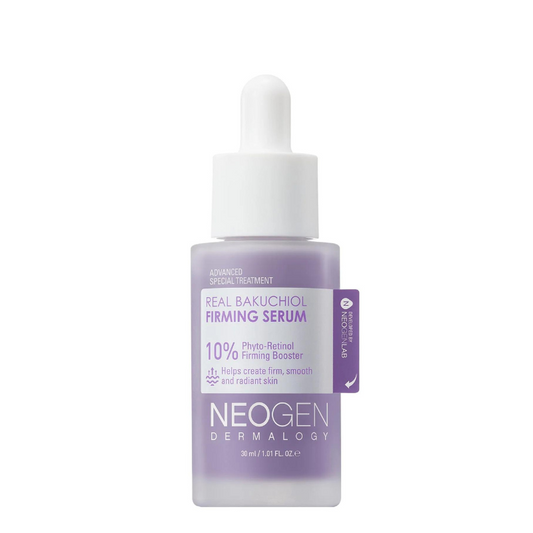
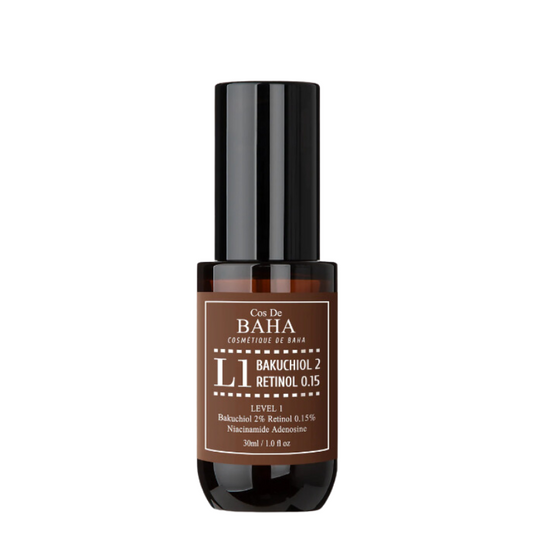
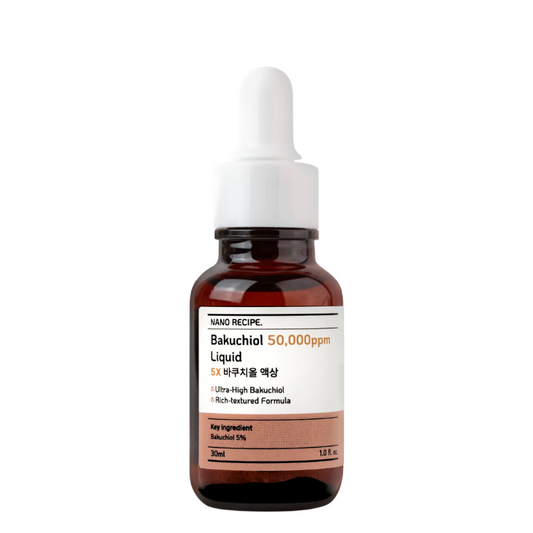
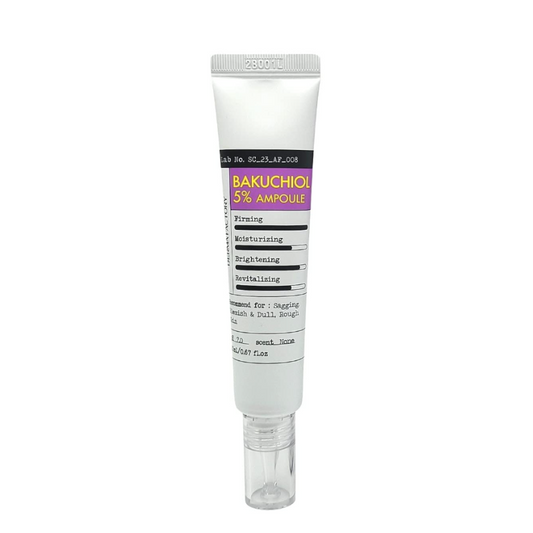
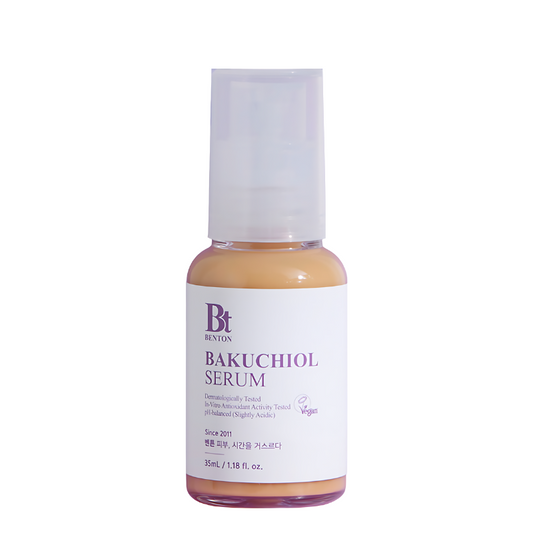
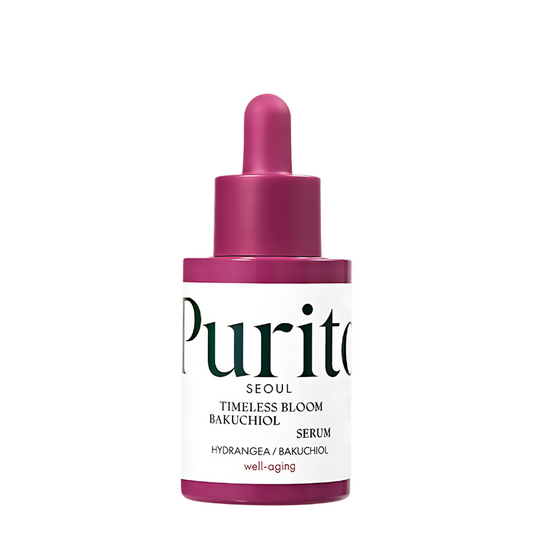
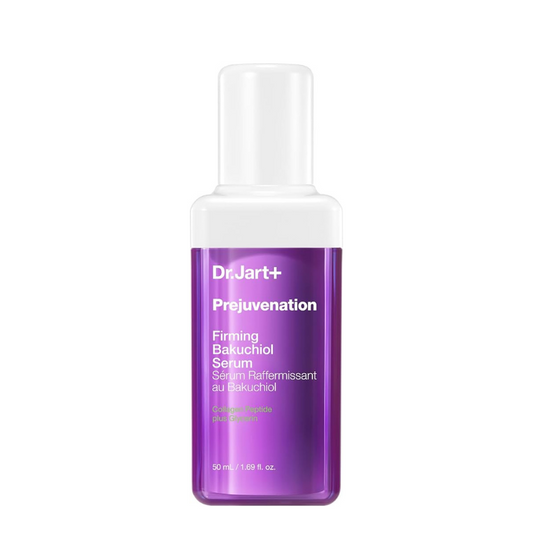
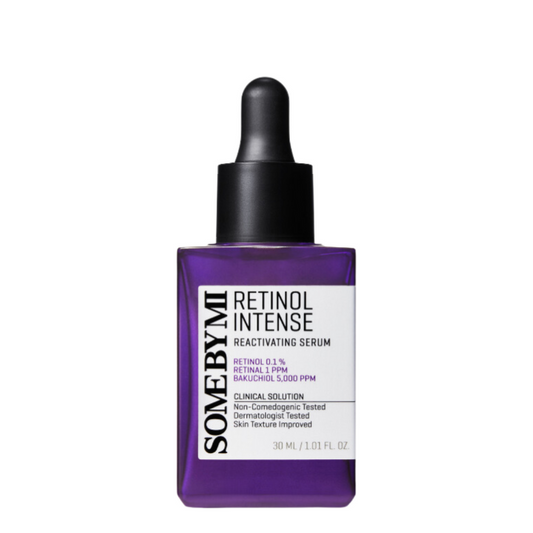
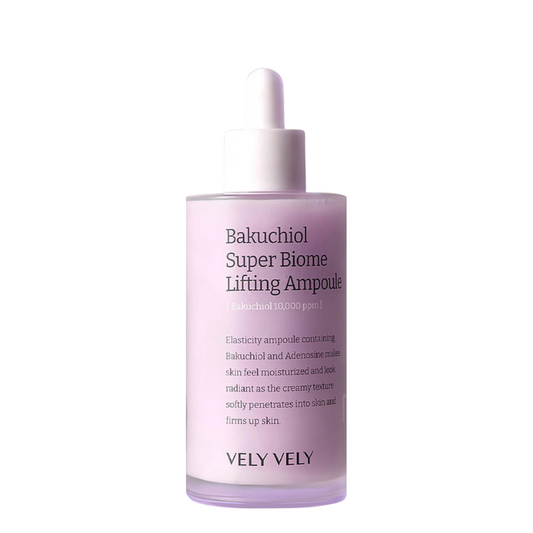
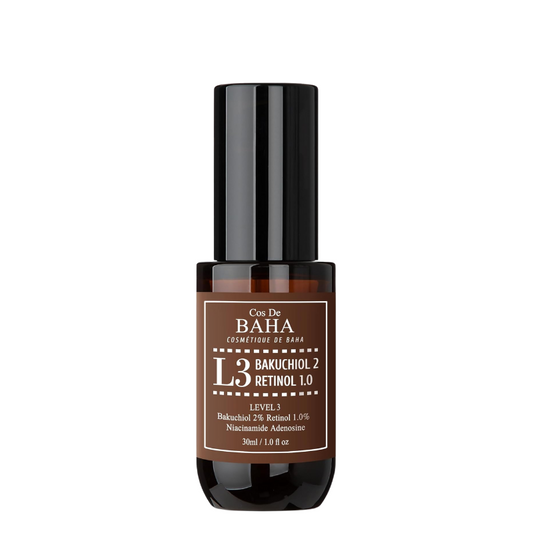
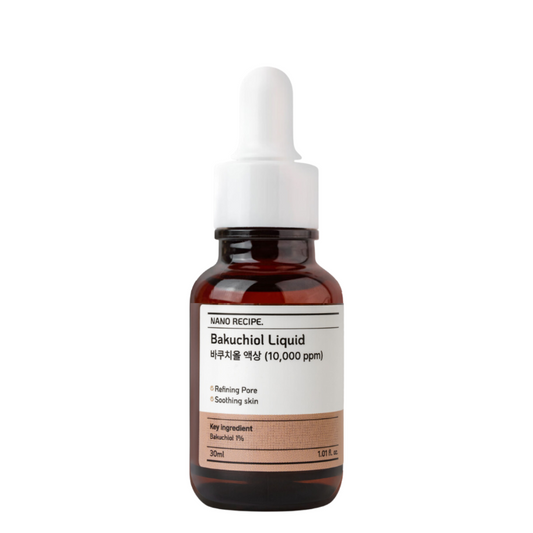
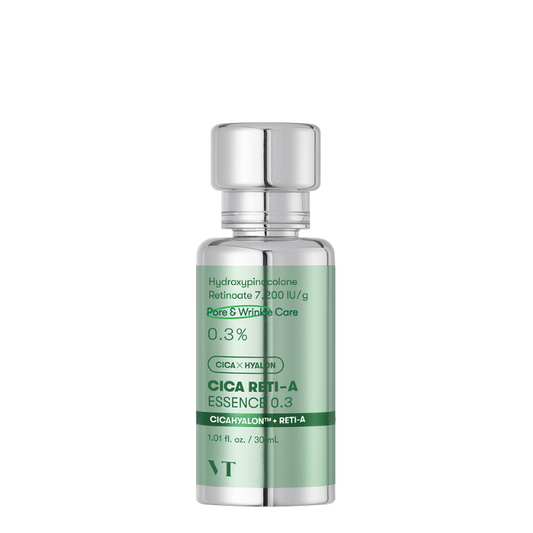
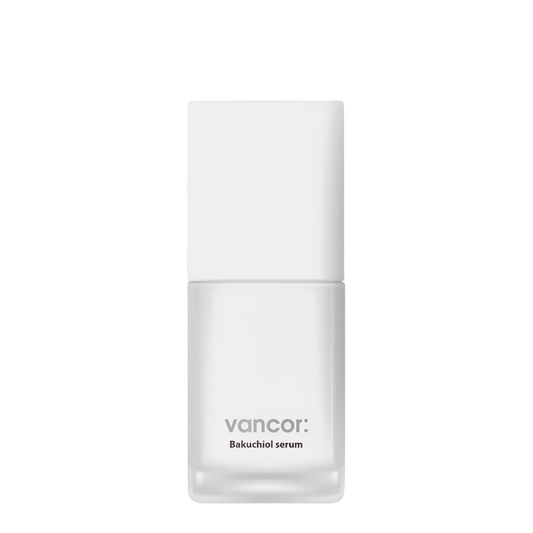
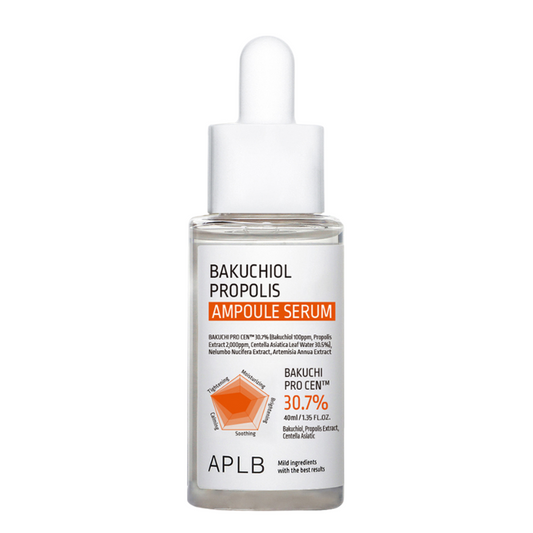
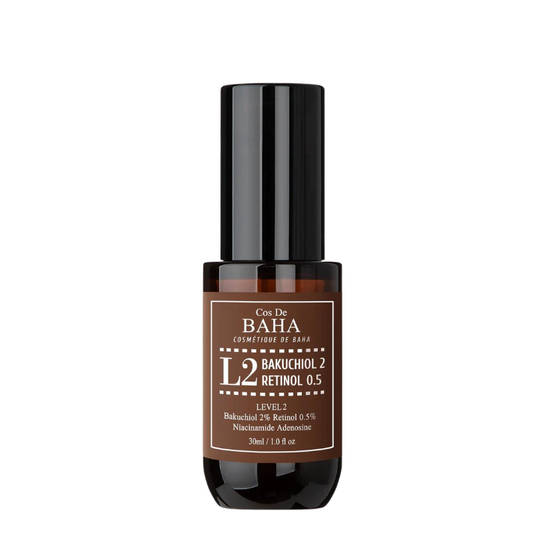
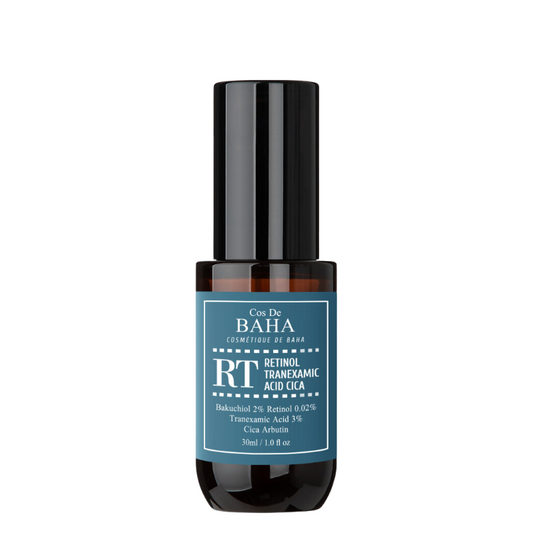
Explore Korean bakuchiol serums and ampoules for fine lines, wrinkles, loss of firmness, and uneven skin texture. Bakuchiol is a plant-derived skincare ingredient used in anti-aging formulas designed to support smoother, firmer-looking skin and improve the appearance of visible signs of aging.
This collection focuses on Korean bakuchiol serums and ampoules, including lightweight daily treatments and more concentrated-looking formulations that combine bakuchiol with peptides, niacinamide, hydrating ingredients, and other complementary skincare actives.
What Is Bakuchiol?
Bakuchiol is a plant-derived compound associated with the babchi plant (Psoralea corylifolia). It has gained attention in skincare for its potential to improve the appearance of fine lines, wrinkles, and uneven skin tone and texture.
Bakuchiol is often marketed as a plant-based retinol alternative because some of its observed cosmetic effects overlap with those of retinol. However, bakuchiol is chemically different from retinol and is not a retinoid.
Bakuchiol Serums for Wrinkles & Aging Skin
Aging, wrinkles, and loss of firmness are the primary concern focus of this collection. Bakuchiol has been investigated for its effects on visible skin aging, including fine lines, wrinkles, and photoaging-related changes.
Bakuchiol serums and ampoules are particularly relevant to skincare routines focused on:
- Fine lines and visible wrinkles
- Loss of firmness and elasticity
- Rough or uneven-looking skin
- Overall skin smoothness
- Visible signs of environmental skin aging
Some clinical research suggests that topical bakuchiol can improve certain visible signs of photoaging. However, the available evidence is more limited than the extensive research supporting established retinoids, and results depend on concentration, formulation, and consistent use.
Bakuchiol for Uneven Skin Texture & Pores
Bakuchiol also has a secondary connection to large pores and uneven skin texture. By supporting a smoother-looking skin surface, bakuchiol formulas may be useful for skin where roughness and visible texture are additional concerns.
Bakuchiol should not be confused with exfoliating acids such as salicylic acid, glycolic acid, or PHA. It does not function as a conventional chemical exfoliant, and it should not be expected to physically clear clogged pores or permanently reduce pore size.
For oily skin or visibly congested pores, formulas combining bakuchiol with appropriately selected oil-control or exfoliating ingredients may address a broader range of concerns.
Bakuchiol vs. Retinol
Bakuchiol and retinol are different ingredients that can both be used in anti-aging skincare. Retinol belongs to the retinoid family and has a more established body of clinical evidence for improving photoaging-related concerns.
Bakuchiol is not a retinoid, but limited comparative research has reported improvements in visible photoaging measures with topical bakuchiol. Some studies have also reported better tolerability with bakuchiol than with retinol under the specific conditions tested.
However, bakuchiol is not guaranteed to be irritation-free, and it should not be considered clinically interchangeable with retinol at every concentration or in every formulation.
Bakuchiol Serum vs. Ampoule
Both bakuchiol serums and ampoules are designed to deliver skincare ingredients in a concentrated treatment step. The distinction between the two formats is not standardized and often reflects product positioning, texture, and formulation.
-
Bakuchiol Serums: Often designed for regular use, combining bakuchiol with hydrating, conditioning, or complementary anti-aging ingredients.
-
Bakuchiol Ampoules: May emphasize a targeted treatment approach, with formulas featuring bakuchiol alongside additional functional ingredients.
An ampoule is not automatically more concentrated or effective than a serum. Compare the disclosed bakuchiol concentration, complete ingredient list, and product instructions rather than relying on the format name alone.
What to Look for in a Bakuchiol Serum or Ampoule
-
Bakuchiol: Check for Bakuchiol in the ingredient list rather than assuming every babchi-derived extract contains a meaningful amount of purified bakuchiol.
-
Peptides: Complementary ingredients for firmness, elasticity, and wrinkle-focused skincare.
-
Adenosine: A common Korean anti-wrinkle functional ingredient that may complement bakuchiol-focused formulas.
-
Niacinamide: Useful for complementary skin tone, barrier, and texture-focused care.
-
Hyaluronic Acid: Provides additional hydration for skin experiencing dryness or dehydration.
-
Panthenol & Ceramides: Support skin comfort and barrier care within the complete formulation.
How to Use Bakuchiol Serums & Ampoules
- Cleanse the face and apply toner if included in your routine.
- Apply the recommended amount of bakuchiol serum or ampoule.
- Follow with a moisturizer suited to your skin type.
- Use according to the product's recommended frequency and instructions.
- Apply broad-spectrum sunscreen during the day to help prevent further UV-related skin aging.
Bakuchiol is commonly incorporated into morning or evening skincare routines. When combining it with retinoids or exfoliating acids, introduce products gradually and consider the overall potential for irritation.
Who May Prefer Korean Bakuchiol Serums & Ampoules?
- Skin showing early or established signs of aging
- Fine lines and visible wrinkles
- Loss of firmness or elasticity
- Rough or uneven-looking skin texture
- People interested in a non-retinoid anti-aging ingredient
- Those seeking bakuchiol-based formulas with complementary hydrating or barrier-supporting ingredients
Browse Korean bakuchiol serums and ampoules for targeted wrinkle care, smoother-looking skin, improved-looking firmness, and complementary texture support.