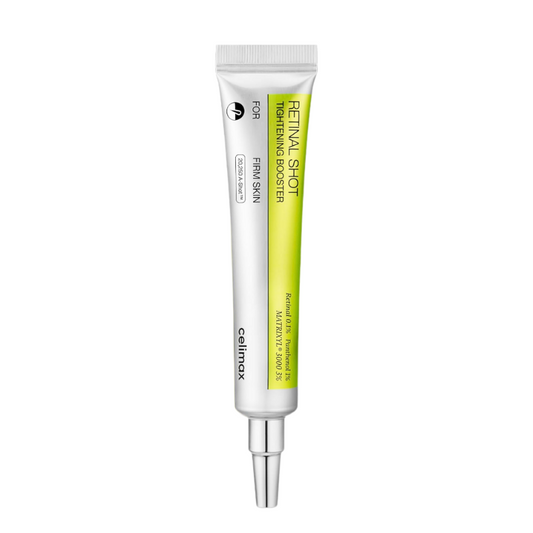
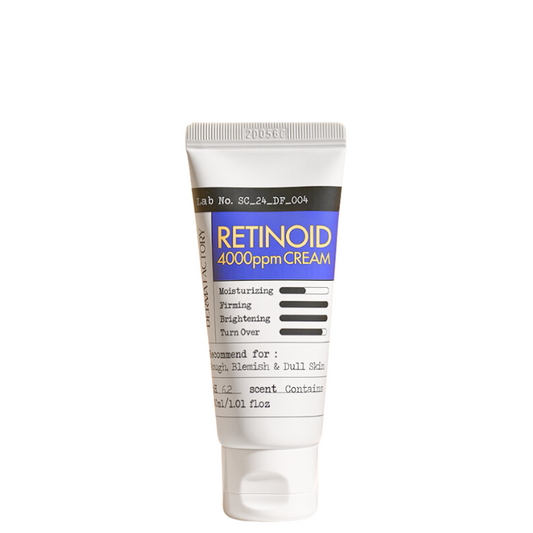
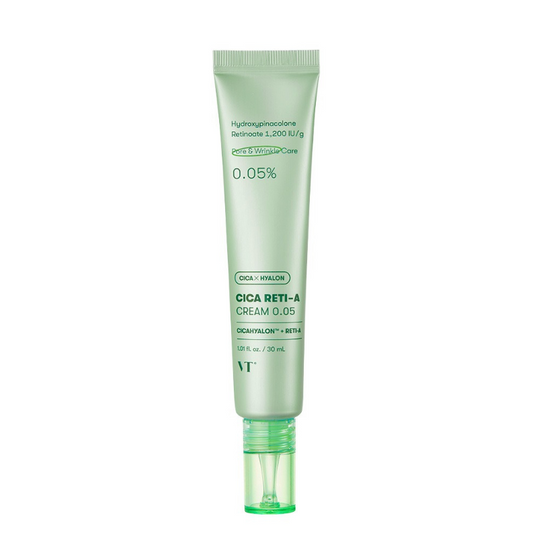
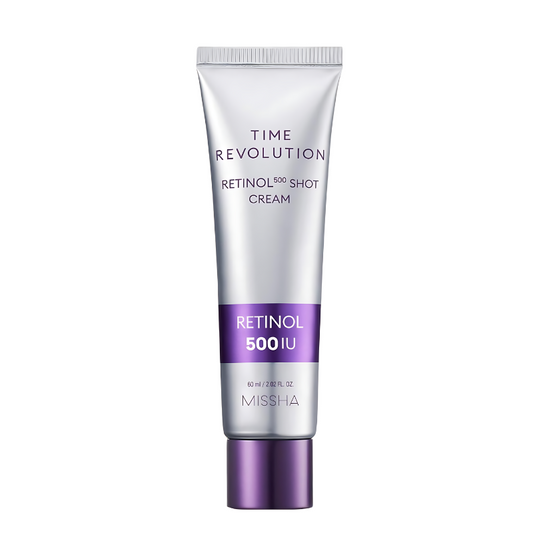
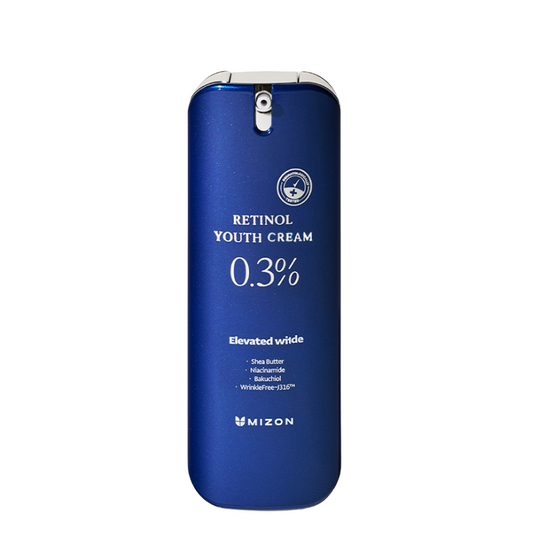
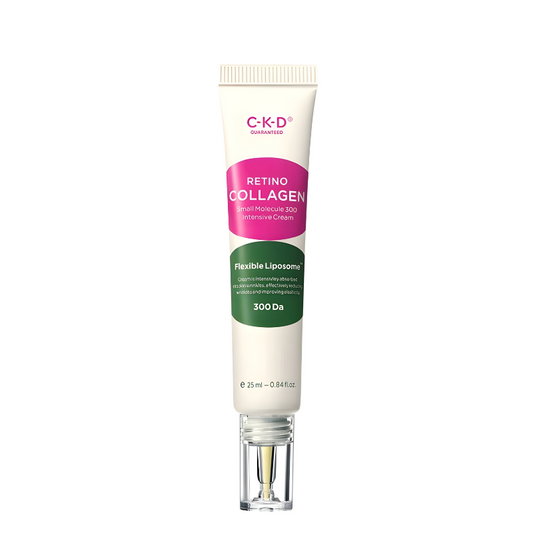
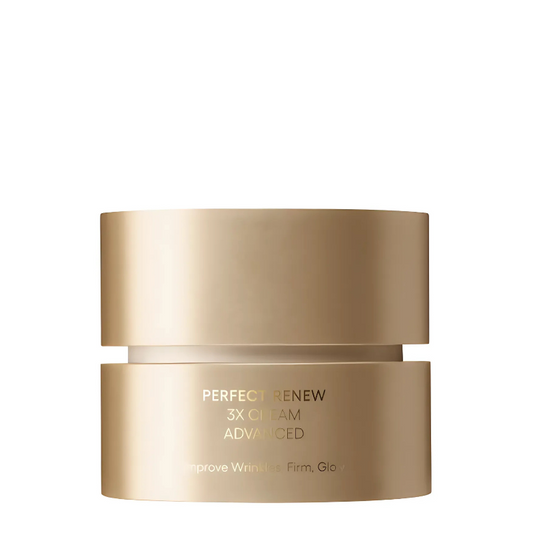
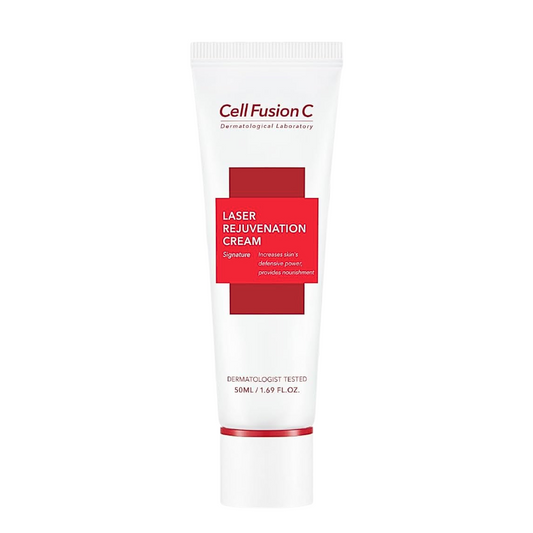
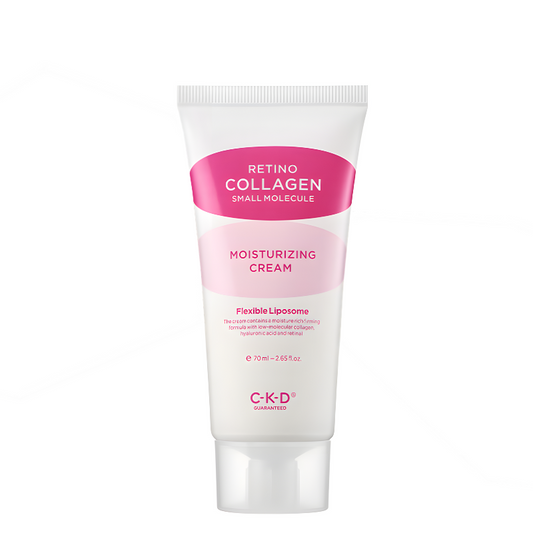
Explore Korean retinol moisturizers for fine lines, wrinkles, loss of firmness, and uneven skin texture. These retinol creams, lotions, emulsions, and gel creams combine retinol-focused anti-aging care with moisturizing ingredients to help improve skin smoothness, comfort, and hydration.
This collection focuses on Korean retinol moisturizers, including lightweight gel creams, daily moisturizing lotions, and richer night creams. Formulas may combine retinol with ceramides, peptides, niacinamide, hyaluronic acid, and other complementary ingredients for a more balanced anti-aging routine.
What Does Retinol Do for Skin?
Retinol is a vitamin A derivative belonging to the retinoid family. It is used in skincare to address visible signs of aging, including fine lines, wrinkles, rough texture, and uneven-looking skin.
After topical application, retinol undergoes conversion within the skin to biologically active retinoic acid. Retinoid activity influences skin cell turnover and processes associated with collagen maintenance, contributing to improvements in the appearance of photoaged skin over time.
- Helps improve the appearance of fine lines and wrinkles
- Supports smoother-looking skin texture
- Helps improve visible signs of photoaging
- Can reduce the appearance of some texture-related pore concerns
- Complements moisturizing routines focused on aging skin
Retinol Moisturizers for Wrinkles & Aging Skin
Aging, wrinkles, and loss of firmness are the primary concern focus of this collection. Retinol is one of the more extensively studied cosmetic ingredients for addressing visible signs of photoaging.
With consistent use, appropriately formulated retinol products can help improve the appearance of fine lines, wrinkles, and uneven skin texture. Results depend on retinol concentration, formulation stability, frequency of use, and individual skin tolerance.
Retinol moisturizers provide an option for incorporating retinol into the moisturizing step of a skincare routine, rather than using a separate retinol serum followed by a cream.
Retinol Moisturizers for Large Pores & Uneven Texture
Retinol also has a secondary connection to large pores and uneven skin texture. Its effects on skin renewal can help improve roughness and the appearance of visible pores associated with uneven texture or congestion.
However, retinol does not permanently shrink pores. Pore visibility also depends on genetics, oil production, skin elasticity, and other factors.
For skin with persistent clogged pores or excess oil, additional ingredients such as salicylic acid or niacinamide may be relevant, although combining multiple active ingredients requires attention to skin tolerance.
Why Choose a Retinol Moisturizer?
Retinol can cause dryness, peeling, and irritation, especially when first introduced. Moisturizer formulations can combine retinol with humectants, emollients, and barrier-supporting ingredients to provide complementary hydration and improve skin comfort.
Common supporting ingredients include:
-
Ceramides: Help replenish barrier lipids and support moisture retention.
-
Hyaluronic Acid: Provides additional hydration through moisture binding.
-
Panthenol: Supports hydration and skin conditioning.
-
Peptides: Offer complementary firmness and wrinkle-focused care depending on the peptide system.
-
Niacinamide: Supports barrier function and complementary tone and texture care.
A moisturizing base may improve the experience of using retinol, but it does not guarantee that a formula will be non-irritating.
Retinol Creams, Lotions & Gel Creams
Korean retinol moisturizers are available in different textures to accommodate various skin types and preferences.
-
Retinol Gel Creams: Lightweight moisturizing textures that may appeal to combination or oily skin.
-
Retinol Lotions & Emulsions: Fluid moisturizers designed for comfortable spreading and everyday hydration.
-
Retinol Creams: Cream-based formulations that combine retinol with moisturizing and conditioning ingredients.
-
Retinol Night Creams: Often positioned for evening anti-aging routines, sometimes with richer moisturizing textures.
The product format does not determine retinol strength. A lightweight gel cream may contain more retinol than a rich cream, depending on the formulation.
Retinol Moisturizer vs. Retinol Serum
Retinol serums and moisturizers can both deliver retinol, but they serve different roles in a skincare routine.
-
Retinol Serums: Often emphasize targeted treatment and are typically followed by a separate moisturizer.
-
Retinol Moisturizers: Combine retinol-focused care with the hydration, emollience, and moisture retention expected from a moisturizer.
Using both a retinol serum and a retinol moisturizer is not necessary for most routines. Layering multiple retinol products can increase irritation without providing a proportional improvement in results.
What to Look for in a Retinol Moisturizer
-
Retinol Concentration: Check the disclosed concentration when available, particularly if you are new to retinoids.
-
Retinol Stability: Consider packaging and formulation technologies designed to protect retinol from degradation.
-
Encapsulated Retinol: Some formulas use encapsulation or controlled-delivery systems, although tolerability and performance depend on the specific formulation.
-
Barrier-Supporting Ingredients: Ceramides, cholesterol, fatty acids, and panthenol may help support skin comfort.
-
Moisturizing Ingredients: Glycerin, hyaluronic acid, and emollients can help address dryness associated with retinol use.
-
Skin Tolerance: Select a formula and usage frequency appropriate for your previous experience with retinoids.
How to Use a Korean Retinol Moisturizer
- Begin with a low frequency, such as two or three evenings per week, according to the product's instructions and your skin tolerance.
- After cleansing, allow the skin to dry before applying the recommended amount of retinol moisturizer.
- Avoid applying retinol too close to the eyes, lips, or irritated areas unless the product is specifically formulated for those areas.
- Increase frequency gradually only if the skin tolerates the product comfortably.
- Use broad-spectrum sunscreen during the day to help protect against UV-related skin damage.
Temporary dryness, peeling, or irritation can occur during retinol use. Reduce frequency or discontinue use if irritation becomes significant. Avoid introducing several strong exfoliating or retinoid products simultaneously.
Topical retinoids, including retinol, are generally avoided during pregnancy. Consult a qualified healthcare professional if pregnant, planning pregnancy, or breastfeeding.
Who May Prefer Korean Retinol Moisturizers?
- Skin showing visible signs of aging
- Fine lines and wrinkles
- Loss of firmness or elasticity
- Rough or uneven-looking skin texture
- Skin with visible texture-related pore concerns
- People who prefer combining retinol and moisturizer in one skincare step
- Experienced retinol users seeking moisturizing retinol formulations
Browse Korean retinol creams, lotions, emulsions, and gel creams for targeted wrinkle care, smoother-looking skin, improved-looking firmness, and moisturizing support.
 销售额销售额
 销售额